
Agriculture

HELP break the cycle of poverty

In Timor Leste, the minimum daily average wage is less than $4 and the cycle of poverty is strong. There is little employment opportunities for many outside the agricultural sector. 20% of Timor-Leste’s population is considered food insecure and it’s common that households experience ‘hungry months’ before crops are harvested. Many rural families only eat one or two meals a day with women often prioritising their children’s food over their own. The rate of malnutrition in Timor-Leste is alarming with 50% of children under five years of age experiencing stunting of their growth and development. In Viqueque alone, only 23% of young children meet minimum dietary diversity standards.

Some of the biggest tools to fight poverty come from the simplest solutions—training, loans, seeds, animals, and access to marketplaces. Helping someone provide for themselves provides change that will last a lifetime and effects that can be seen for generations.

Lorem ipsum dolor sit amet, consectetur adipiscing elit. Ut elit tellus, luctus nec ullamcorper mattis, pulvinar dapibus leo.

Did you Know?

Empowerment is the best lesson you can teach someone. If you give a man a fish, you feed him for one day. But if you teach a man to fish, he will be able to feed himself for a lifetime.  

Here are some of the ways that ADRA is helping families increase incomes and livelihood opportunities in Timor-Leste:

– Grow the rural economy through market-oriented agro-enterprise’s

 – Connect smallholder farmers to value chains

 – Increase yields, sales and cash reserves

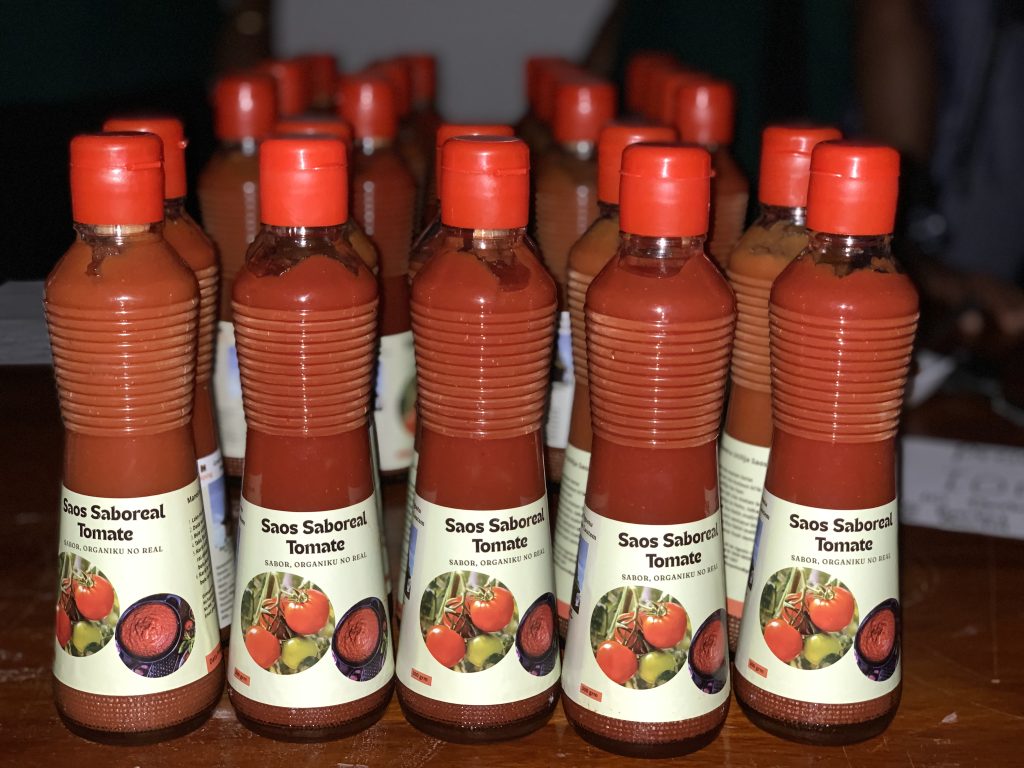
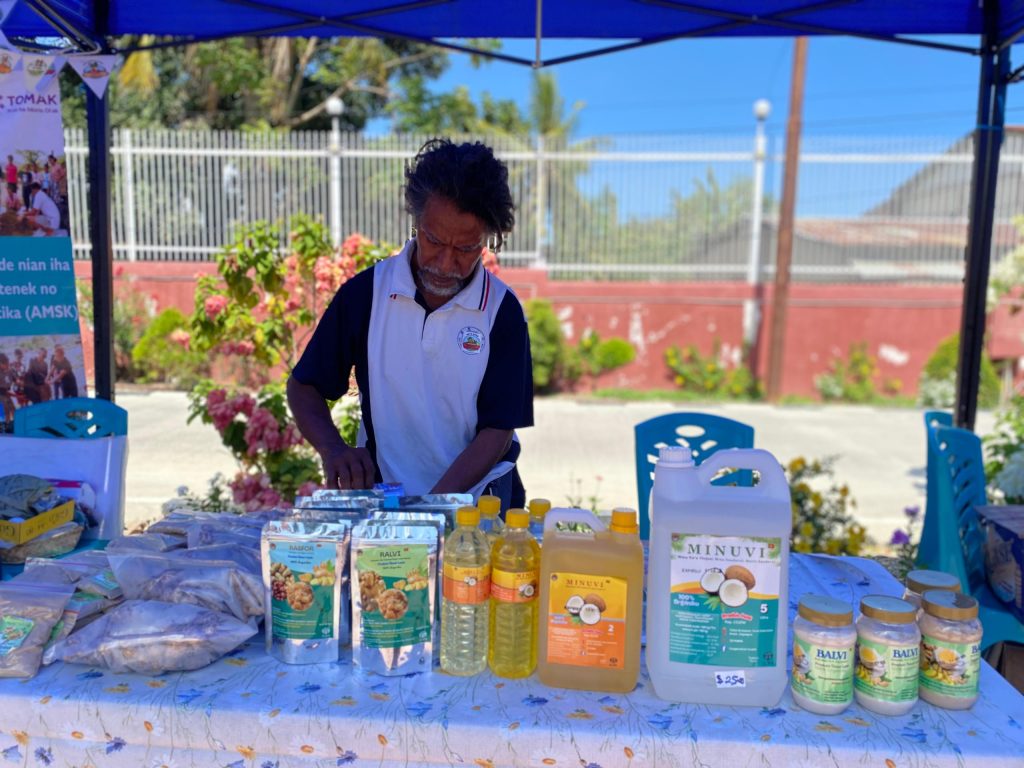
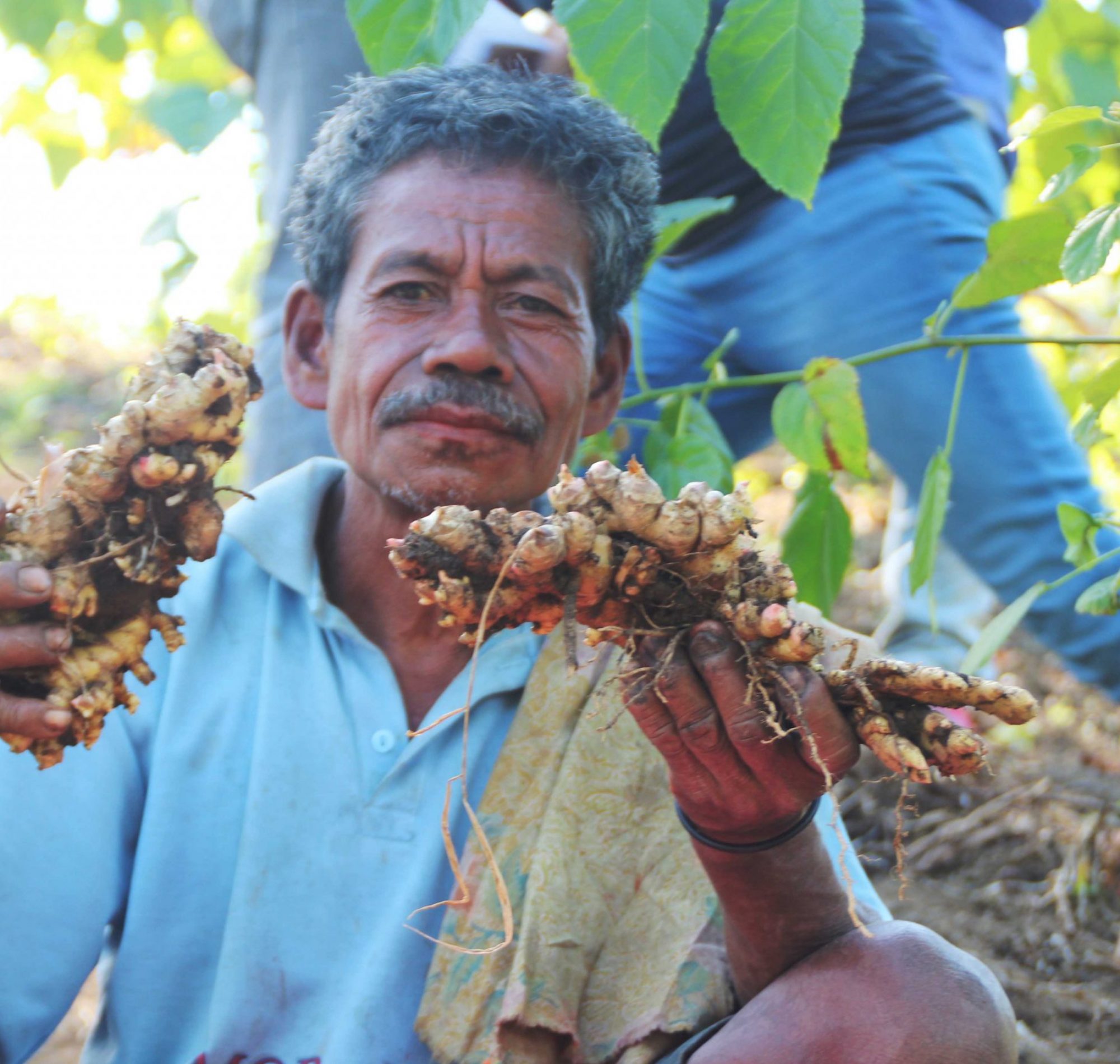
 – Provide primary products such as ginger, coconut and candle nut

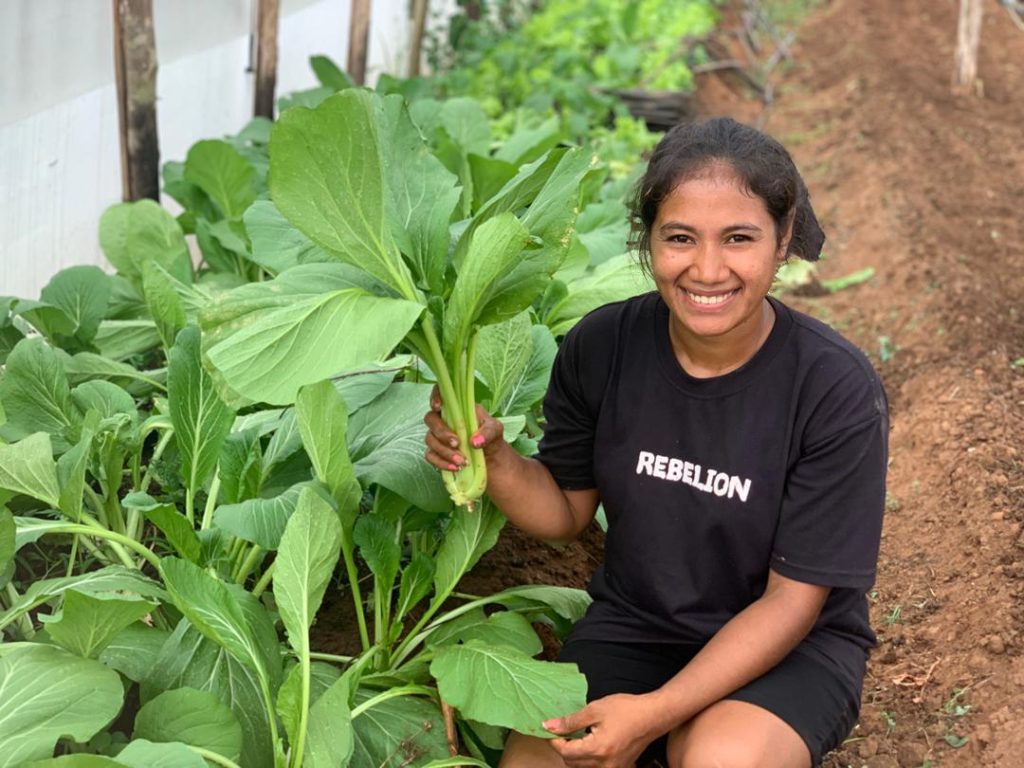
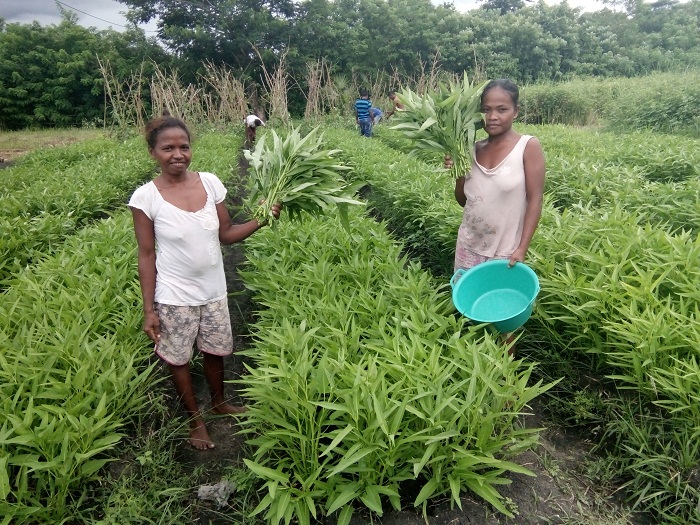
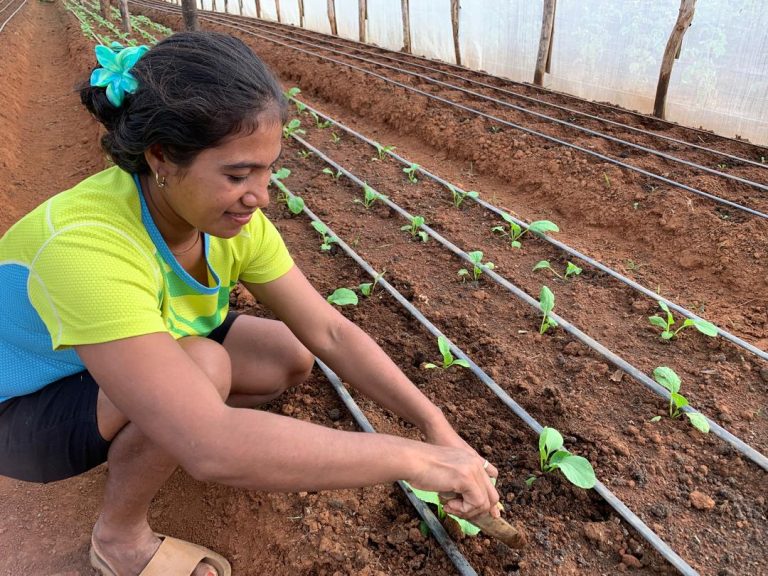
 – Building kitchen gardens and conservation agriculture

 – Hands on training in agricultural practices

 – Establish savings groups

OUR PROJECTS

ABMD

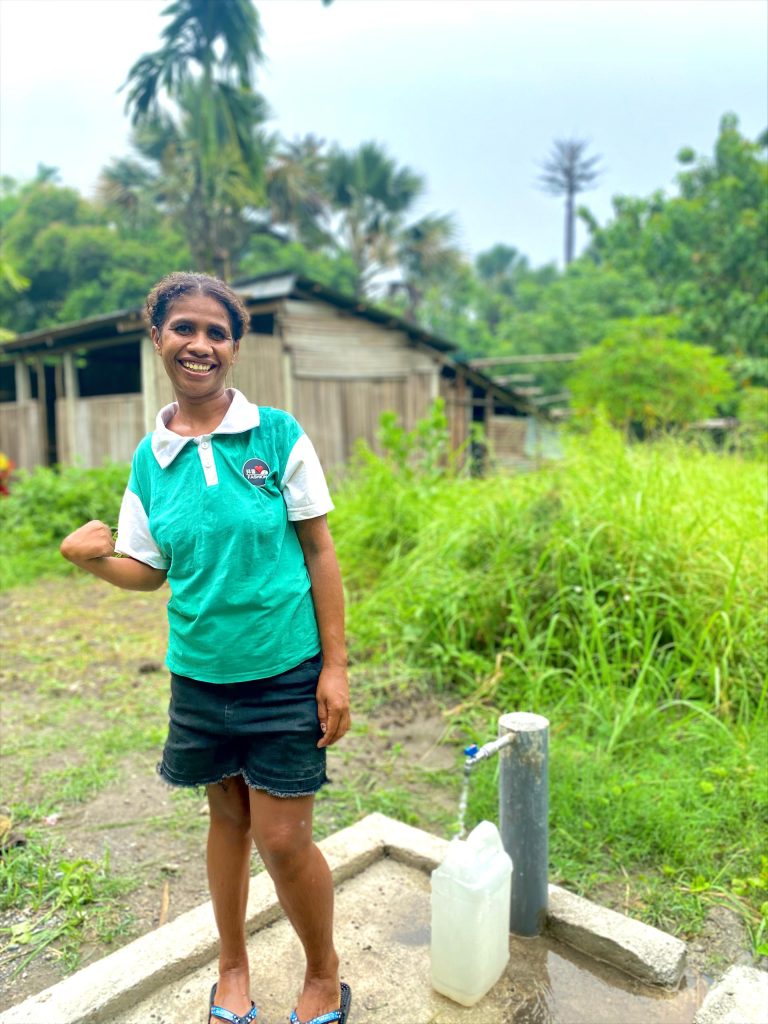
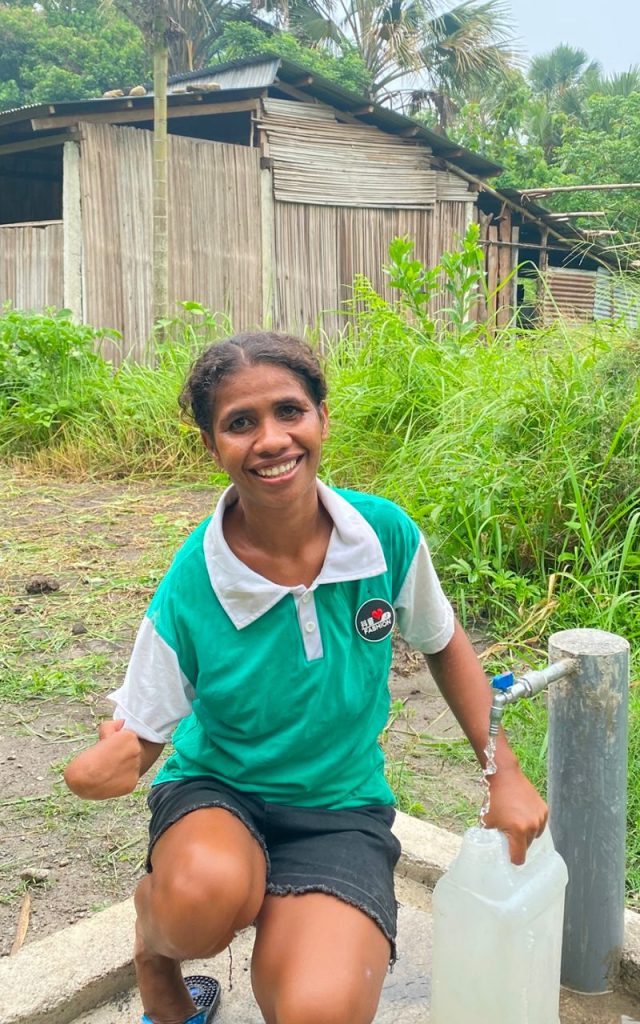
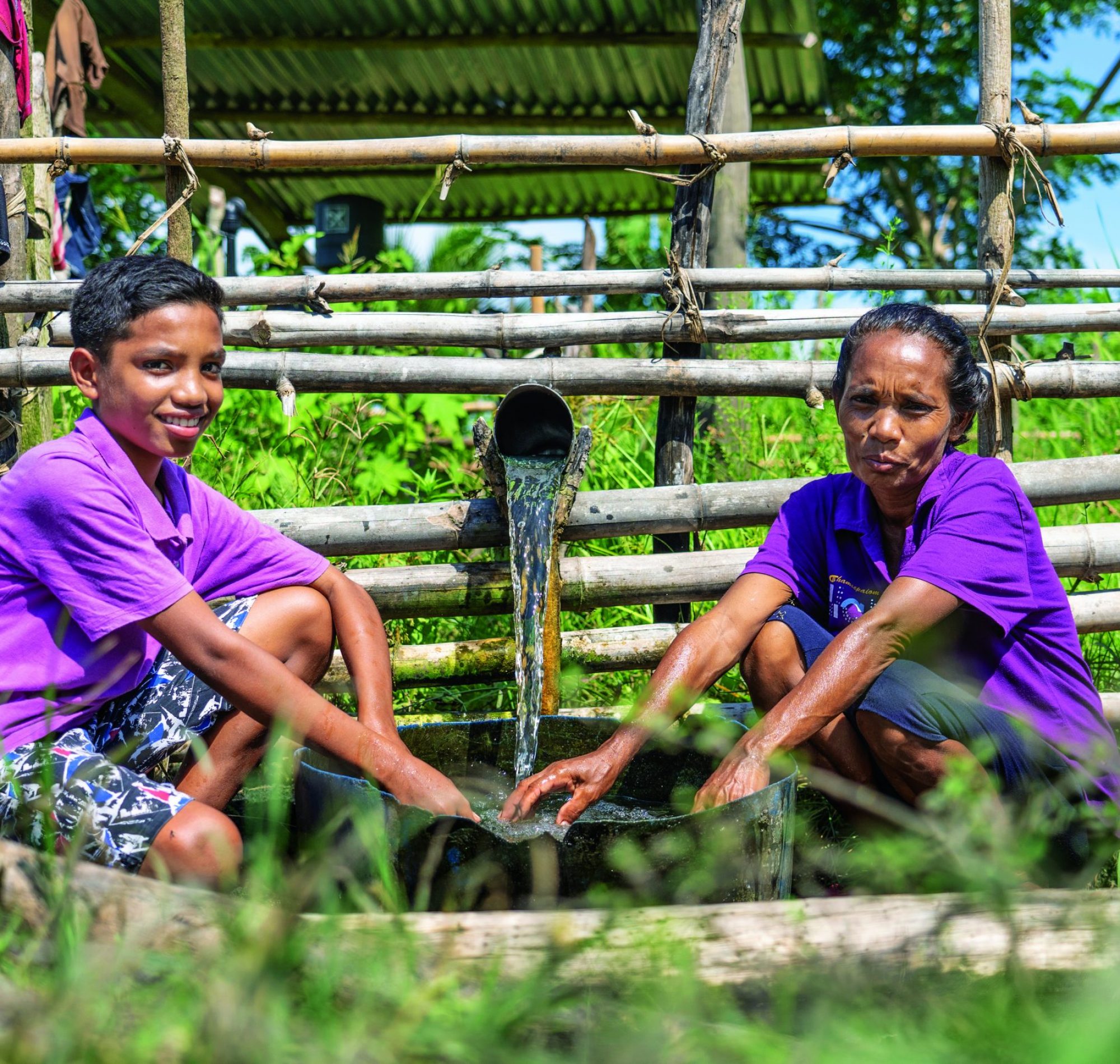
 The Agronegosiu Bee Ba Moris Di’ak  (ABMD) Project, funded by the DFAT-Australia  Goverment  and ADRA Australia and implemented by ADRA Timor-Leste, aims to improve health, livelihoods, and economic well-being in Lautem Municipality. Running from July 2022 to June 2027, it supports 15 villages through water access, sustainable agriculture, and financial inclusion.

Key activities include community water systems, horticulture and processing groups, VSLAs, and training in hygiene, farming, and business skills, with a focus on gender equality, disability inclusion, and indigenous participation.

Agroforestry Skill Training of Farmers and Small Entrepreneurs

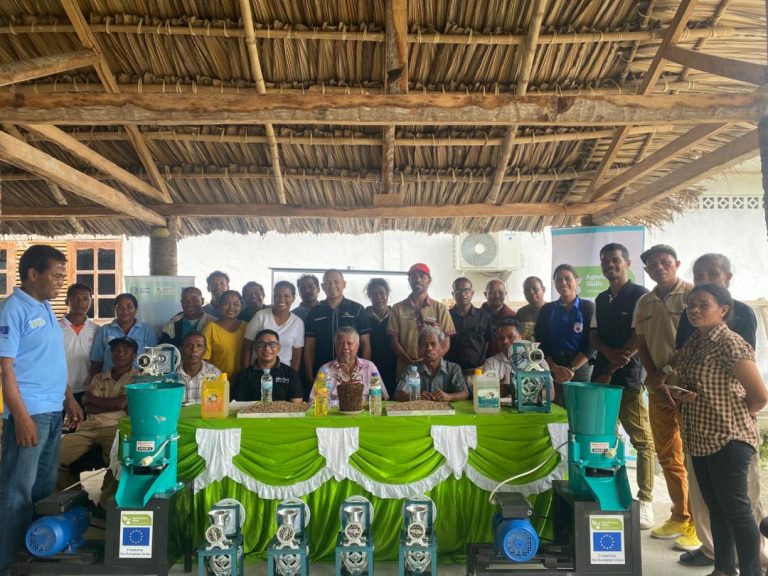
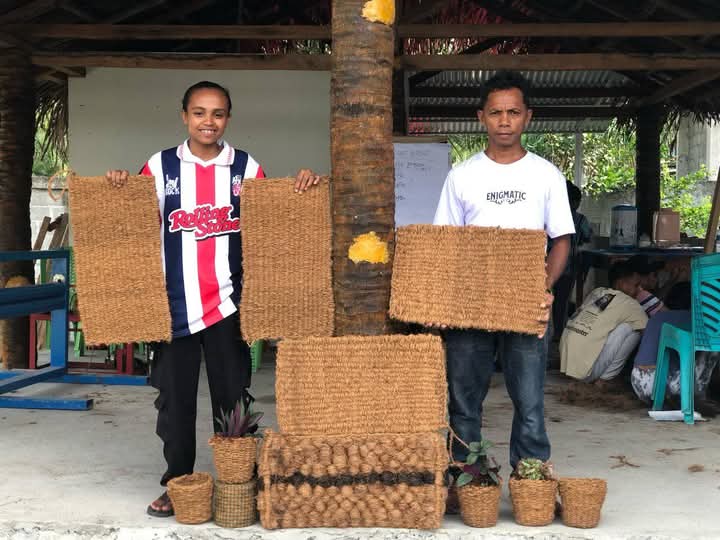
The Agroforestry Skills Project, funded by the European Union and implemented by Fundação ADRA in partnership with the ILO, aims to empower farmers and small entrepreneurs in Viqueque, Timor-Leste. Implemented from July 2024 to July 2026 with a total budget of USD 233,771, the project focuses on strengthening the coconut value chain to improve productivity, enhance product quality, and expand market access.

 It supports six cooperatives and 12 Village Savings and Loan Associations (VSLAs) across six villages through skills training, provision of infrastructure such as a Coconut Production Centre, and collaboration with relevant government institutions. 

With a strong commitment to inclusion, women represent 65–67% of participants, alongside youth and vulnerable groups, contributing to inclusive economic growth and strengthened community resilience.

SHAPE-CAR

The SHAPE-CAR (Sustainable Health, Agriculture, Protection & Empowerment – Climate Action for Resilience) project is implemented by ADRA Timor-Leste in Viqueque Municipality, with funding from New Zealand MFAT and support from ADRA New Zealand. The project aims to strengthen rural communities, making them healthier, more resilient, and economically empowered.

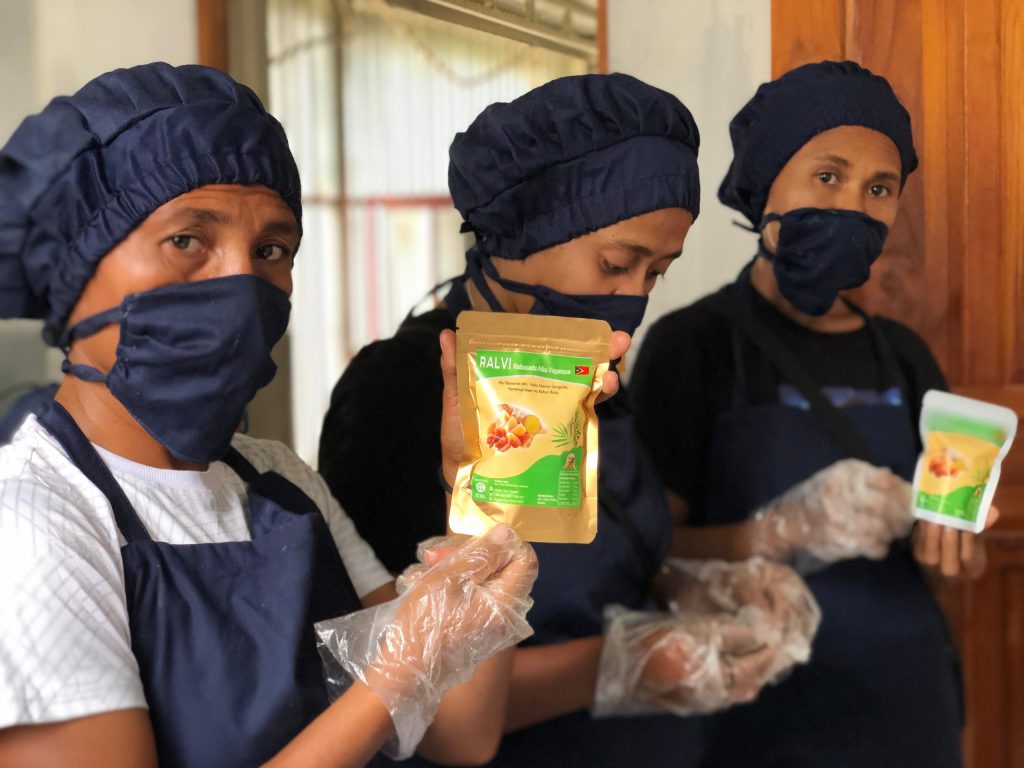
The project enhances value chains by improving inclusivity, efficiency, quality, and sustainability, and builds community skills in financial literacy, enterprise management, resilient agriculture, and post-harvest processing. It also supports sustainable management of water and natural resources, establishes community-based natural resource management (CBNRM) committees and action plans, and coaches local leaders to advance inclusive livelihoods and women’s empowerment.

In addition, SHAPE-CAR includes microprogram activities such as tree planting, water conservation, community water systems, and smart agriculture, helping communities adapt to climate change and build environmental sustainability for the long term.

SHAPE


SHAPE (Sustainable Health, Agriculture, Protection & Empowerment) is an 8-year program funded by the New Zealand Government (NZD 4.36 million) and implemented by ADRA Timor-Leste in partnership with the Government of Timor-Leste, the Ministry of Agriculture, Livestock, Fisheries, and Forestry (MALFF), and private sector partners. Building on the success of the FARMAR Project (2018–2021), SHAPE (2021–2026) aims to support healthier and more resilient rural communities.

The program is implemented in Viqueque Municipality and focuses on three key areas: Protection & Empowerment: Strengthening leadership, inclusion, and economic participation of women and people with disabilities.  Sustainable Agriculture: Promoting climate-resilient farming, agroforestry, and value-added post-harvest processing. Inclusive Value Chains: Supporting cooperatives, savings groups, and market systems to improve income and access to markets.


PAST PROJECTS

FarMar

IMG_5813

The ‘Viqueque Sustainable Agroenterprises Farmers to Markets’ (FarMar) project will run from June 2018 to May 2023 working with 1,500 farming households in rural areas of the south-east. FarMar is funded by MFAT and ADRA New Zealand with a total budget of $2,100,000 USD.

The project goal is to grow the rural economy through market-orientated agro-enterprise and improve food security by aiming to connect smallholder farmers to identified value chains; increase yields, sales and cash reserves; and improve overall family well-being. The project will focus on three primary products: ginger, coconut, and candle nut.  Through project activities, it is expected that markets will be better supplied, value chains strengthened, food security increased, and trade deficits reduced.

HAHAN

DSC04416

The ‘Hamutuk Hadiak Nutrisaun Familia’ (HAHAN) project supported by AusAID and ADRA Australia will run from July 2019 to June 2022. The HAHAN project is targeting 1,850 people with a total budget of $400,000 USD. 

The goal of the project is to increase family wellbeing and to contribute to food production with the purpose of improving family nutrition and to create opportunities for increasing income of families by marketing their excess produce.

HAHAN will provide families access to water and training in vegetable and chicken production, along with health messaging to help improve families’ health and nutrition. 

PAST PROJECTS

LOSA

The ‘Livelihood Opportunities through Sustainable Agriculture’ (LOSA) project aimed to improve the wellbeing and resilience for agriculture-based communities in Viqueque Municipality by empowering farmers to manage their own resources sustainably and improve the wellbeing of vulnerable communities. The LOSA project ran for 3 years based in Luca and Uma Tolu. The primary activities included drilling and installing 17 bore wells and providing pumps, built 10 kitchen gardens, trained 98 farmers and 100 students in growing fruit and vegetables, trained 600 farmers in conservation agriculture methods, built 111 latrines, created 8 savings and loans groups and provided nutrition training to benefit 1,138 community members and 924 students. 

NEWS